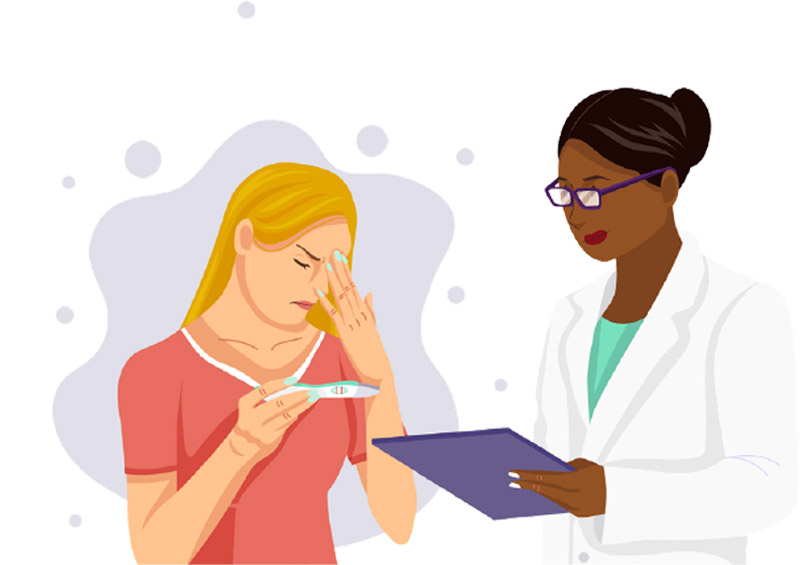
A UTI, or urinary tract infection, is an infection of any part of the urinary tract including the kidneys, bladder, ureters (tubes from the kidneys to the bladder), or urethra (tube that carries urine from the bladder to the outside). Symptoms of a UTI include burning when urinating, having the urge to urinate but only releasing a small amount, frequent urination, cloudy and/or foul-smelling urine. More severe symptoms would be fever, chills, nausea, vomiting, and blood in your urine. If you experience any of these symptoms, you should see a doctor. Severe symptoms could be a sign of a kidney infection and you may need to go to the emergency room. Most UTIs can be treated with antibiotics.
A UTI can be caused by many things, including poor hygiene, wiping “back to front,” not washing hands before masturbation or intercourse, multiple sexual encounters, etc. Overall, women are more likely than men to develop a UTI because their urethra is shorter. Some things that prevent UTIs include good hygiene, wiping from front to back, urinating after sex, hydration, and wearing cotton underwear instead of synthetic materials (like polyester, nylon, or rayon).
Cameron Holmes, MD










 A UTI, or urinary tract infection, is an infection of any part of the urinary tract including the kidneys, bladder, ureters (tubes from the kidneys to the bladder), or urethra (tube that carries urine from the bladder to the outside). Symptoms of a UTI include burning when urinating, having the urge to urinate but only releasing a small amount, frequent urination, cloudy and/or foul-smelling urine. More severe symptoms would be fever, chills, nausea, vomiting, and blood in your urine. If you experience any of these symptoms, you should see a doctor. Severe symptoms could be a sign of a kidney infection and you may need to go to the emergency room. Most UTIs can be treated with antibiotics.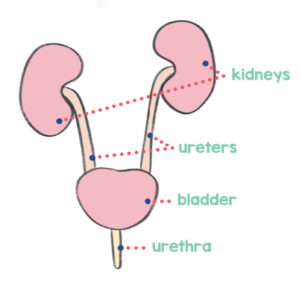
 Getting your first period is an important milestone! It means that your body is maturing and making pregnancy possible. The vaginal bleeding allows the body to get rid of tissue it doesn’t need when there is no pregnancy. It is a good idea to start talking about what to expect with people you trust before you menstruate for the first time. You can have these conversations with a parent, an older sibling, other members of your family, a teacher, nurse, or guidance counselor at your school, or friends who already have their periods. You can also ask your pediatrician about getting your period. These people will be able to help you prepare for your period and help you navigate this new phase of growing up.
 Birth control is not dangerous. However, hormonal birth control methods come with possible side effects that are important to consider and discuss with a trusted adult and doctor. Starting birth control is a significant and individual decision. There are a variety of different hormonal birth control methods, including the pill, the patch, and the implant. Each method has different effects on your body. Side effects of birth control can include changes in your period (making it lighter or heavier), mood swings, acne, bloating, and weight changes, but not everyone on birth control will experience these side effects. Many people who take birth control are very happy with the benefits it provides them, including pregnancy prevention. With so many options, it’s important to have an open discussion with a medical expert to make the best decision for your own body before starting birth control.
 Yes, this can be totally normal! The vulva, which is the part of the female body that includes the outer opening of the vagina, the urinary canal (urethra), clitoris, and mons pubis (the fatty tissue covering the pubic bones), also includes two layers of sensitive folds called the labia majora, which are the outer folds, and labia minora, the inner folds. These come in all shapes and sizes! If your labia become red, painful, warm to the touch, suddenly bigger, or develop drainage or bleeding, you should see your doctor for an evaluation. Your OB-GYN is always here to answer any questions you have and can examine you if you have concerns.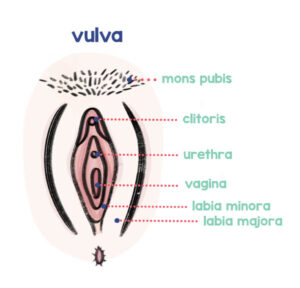
 An increase in hair growth on the legs, underarms, and in the pubic area is a normal part of puberty. This usually happens between the ages of 9-14. Some girls want to remove their body hair and start shaving around this time. Shaving is totally optional and a personal choice. If you choose to shave, it’s important to use safe shaving practices. Be sure to use soap or shaving cream and a clean razor. The first time you shave, you may want to ask a trusted adult, older sister, or cousin to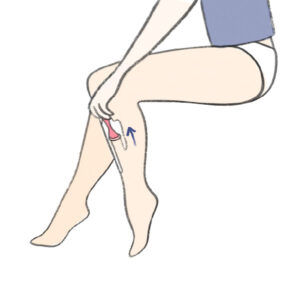
 Breast development during puberty typically starts with breast “buds,” small lumps under the nipple, and the darkening of the areola (the area around the nipple). You may notice that you can see your buds and nipples through thinner shirts. If this bothers you, you may want to buy a training bra to cover and slightly compress the breasts to prevent them from showing through clothing. As your breasts develop more, you may feel like you need a cup bra, underwire bra, or a more supportive sports bra for exercising. Buying a bra can be intimidating, but you have options. You can go to an underwear store or a department store like Bra Genie or Dillard’s to get measured by a professional bra fitter. If that sounds uncomfortable, you can have a family member or friend you trust take your measurements to help you find a starting size. A good bra will support and contain your breasts so no bulges are seen, and you won’t have to worry about your breasts falling out. Please don’t stress about needing a bigger size to feel comfortable or if one breast is bigger than the other. Every body is different, and a bra should help you feel comfortable and confident in your body.
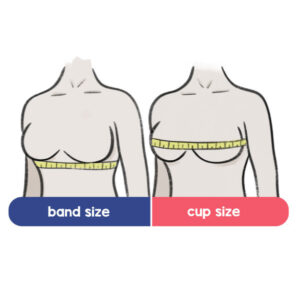 1. Measure around your rib cage right under the breasts to calculate your band size. A common rule is to add 2 inches if your measurement is an even number or 3 inches if it’s an odd number.